Quick Summary — What This Page Covers
This is not marketing content.
This is a spec-page + technical blog hybrid written for:
- Engineers
- MRO technicians
- Quality managers
- Aerospace procurement
You will learn:
- What MIL-T-23397 / AMS-T-23397 actually controls
- How aerospace tape standards fit into FAA and AS9100 systems
- A spec-page style breakdown engineers and buyers can audit
- How to read tape datasheets without compliance risk
- A mock FAA / AS9100 audit stress-test
Introduction
Specs aren’t paperwork. They are permission to fly.
In aerospace, a tape is not approved because it “works.”
It is approved because it meets a specification, is traceable, and is used within limits.
A tape is not acceptable because it sticks.
It is acceptable because:
- It meets a defined specification
- It is traceable
- It is used exactly where allowed
Miss one of those, and the aircraft is non-conforming.
This guide is written to survive:
- FAA oversight
- AS9100 audits
- OEM material reviews
No invented data. No soft language. Only defensible facts.
SECTION 1 — What Is MIL-T-23397 / AMS-T-23397?
Specification definition
MIL-T-23397 is a legacy U.S. military specification for pressure-sensitive aluminum foil tape intended for aerospace environments.
The active, controlling document today is SAE AMS-T-23397.
What the specification defines
- Backing material: dead-soft aluminum foil
- Adhesive system: aerospace-grade pressure-sensitive adhesive
- Performance requirements:
- Adhesion
- Tensile strength
- Aging resistance
- Environmental durability:
- Temperature cycling
- Moisture exposure
- UV resistance
Common aerospace configuration
- AMS-T-23397 Type II
- Self-wound aluminum foil tape
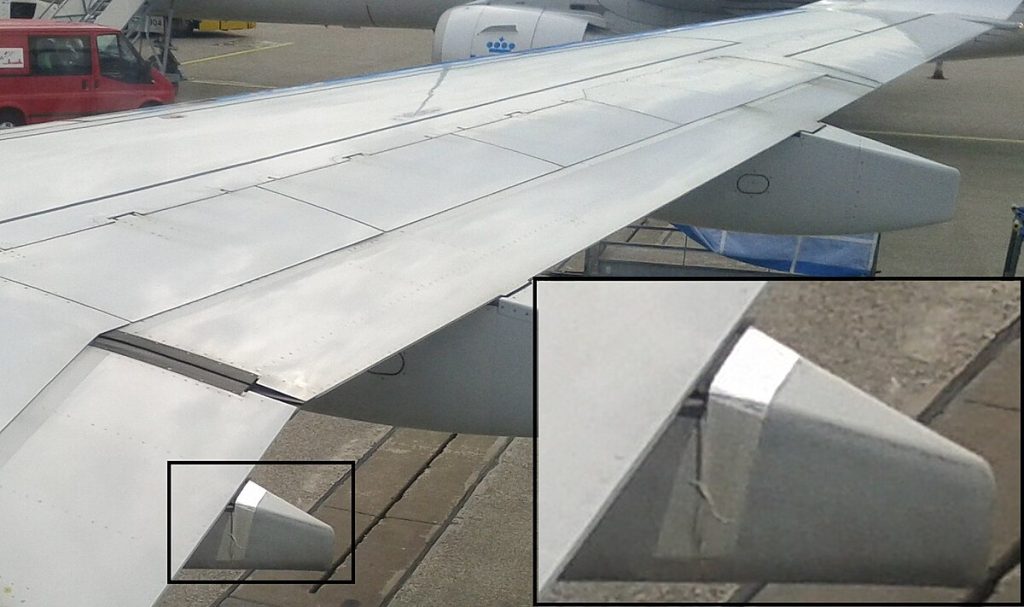
- This is what most technicians refer to as “aviation speed tape”
What the specification does NOT do
- ❌ Does not approve structural repairs
- ❌ Does not grant FAA approval
- ❌ Does not override OEM manuals
This distinction matters during audits.
SECTION 2 — Aerospace Tape Standards (Engineer Cross-Reference)
| Standard | Authority | What It Controls |
| MIL-T-23397 (legacy) | DoD | Aluminum foil PSA performance |
| AMS-T-23397 | SAE | Current aerospace material spec |
| L-T-80 (Rev B / C) | U.S. Federal | Aluminum-backed PSA tapes |
| FAR 25.853(a) | Federal Aviation Administration | Flammability performance |
| BAC / ABS | Boeing / Airbus | Aircraft-specific approval |
Key rule:
Meeting one spec never guarantees acceptance. All applicable standards must align.
SECTION 3 — FAA Compliance: The Most Common Misunderstanding
There is no such thing as an “FAA-approved tape.”
The FAA does not approve consumables.
Instead, the FAA:
- Approves aircraft and maintenance systems
- Enforces FAR compliance
- Audits conformity through repair stations and quality systems
Correct technical language
Use:
“FAA-compliant when used per FAR requirements and OEM maintenance manuals.”
Avoid:
“FAA-approved tape”
That phrase raises red flags in audits.
SECTION 4 — FAR 25.853(a): What It Really Applies To
FAR 25.853(a) is a flammability requirement.
Primary scope
- Cabins
- Cargo compartments
- Insulated or enclosed zones
Important clarification
While FAR 25.853 is primarily an interior requirement, many operators:
- Extend flammability requirements to external consumables
- Apply conservative, fleet-wide material rules
Audit reality:
If tape enters the aircraft environment, expect to justify fire behavior.
SECTION 5 — How Engineers Read Tape Datasheets (Audit-Safe Method)
This is the exact order inspectors expect.
1. Specification Statement
Example:
“Complies with AMS-T-23397 Type II”
No spec line = automatic rejection.
2. Flammability Declaration
Look for:
- FAR 25.853(a)
- Test method reference
Marketing phrases like “flame resistant” are meaningless.
3. Temperature Information
Verify both:
- Operating temperature range
- Minimum application temperature
A tape can survive extreme cold but still fail to bond if applied incorrectly.
4. Certificate of Conformance (CoC)
A valid CoC includes:
- Manufacturer name
- Specification reference
- Lot or batch traceability
No CoC = no AS9100 defense.
SECTION 6 — Manufacturers vs Compliance (Critical Distinction)
Manufacturers such as 3M, Nitto, Berry Global (Polyken), and Scapa produce tapes capable of meeting aerospace specs.
However:
- Brands do not equal approval
- Only documented compliance matters
Procurement buys specification alignment, not logos.
SECTION 7 — Common Audit Findings (Real-World Failures)
These are repeat findings in FAA and AS9100 audits:
- ❌ Tape applied outside approved temperature conditions
- ❌ FAR 25.853 documentation missing for interior areas
- ❌ Spec claimed without traceable CoC
- ❌ Industrial aluminum tape substituted for aerospace tape
- ❌ Tape used beyond temporary, non-structural intent
Any one of these can ground an aircraft.
SECTION 8 — Aerospace Tape vs Industrial Tape
| Requirement | Aerospace Tape | Industrial Tape |
| AMS / MIL spec | ✔ Yes | ✘ No |
| FAR flammability data | ✔ Often | ✘ Rare |
| Certificate of Conformance | ✔ Required | ✘ Not provided |
| AS9100 traceability | ✔ Yes | ✘ No |
| Flight use | ✔ Conditional | ✘ Prohibited |
If it lacks documentation, it does not belong on an aircraft.
SECTION 9 — Mock AS9100 / FAA Audit Stress-Test
Auditor question
“How do you control tape used on aircraft?”
Passing answer
- Material specified to AMS-T-23397 Type II
- FAR 25.853 documentation retained where applicable
- Certificates of Conformance maintained
- Use restricted to non-structural, temporary applications
- Application per OEM maintenance manuals
Failing answer
“We use aviation speed tape — it’s FAA approved.”
That answer fails immediately.
SECTION 10 — Procurement & Engineering FAQs
Is MIL-T-23397 obsolete?
No. It is maintained as AMS-T-23397.
Does AMS-T-23397 alone allow flight use?
No. FAR and OEM requirements still apply.
Can speed tape be structural?
Never.
Is a Certificate of Conformance mandatory?
Yes, for aerospace traceability.
Are all aluminum foil tapes acceptable?
No. Most are industrial only.
Conclusion
Aerospace tape compliance is simple — but unforgiving.
If you align:
- AMS-T-23397
- FAR requirements
- OEM manuals
- AS9100 traceability
…your material survives audits and keeps aircraft flying.
Ignore any one of them, and it doesn’t.